When LEGO launched LEGO Ninjago: Masters of Spinjitzu in 2011, it was meant to be a short-lived experiment. The original plan was bold but cautious: release a small wave of sets, support it with a TV mini-series, and then quietly retire the theme after a year or two.
Instead, Ninjago became one of the longest-running, most successful original LEGO themes of all time — rivalled only by LEGO City and surpassed only by a handful of licensed juggernauts like Star Wars and Harry Potter.
More than a decade later, Ninjago is no longer “just” a theme. It is:
- A multi-generation franchise
- A gateway theme for children
- A serious collector line for adults
- A storytelling universe that evolved alongside its audience
And perhaps most importantly: it saved LEGO from its own fear of originality in the post-licensed era.
The Birth of Ninjago (2011): Lightning in a Bottle
In the late 2000s, LEGO had learned a hard lesson. Original themes were risky. Many had failed quickly — despite strong design — because kids increasingly gravitated toward licensed brands.
Ninjago broke that pattern by doing something clever:
- It combined familiar archetypes (ninjas, dragons, elemental powers)
- It leaned heavily into clear colour-coding
- It supported the sets with storytelling first, not as an afterthought
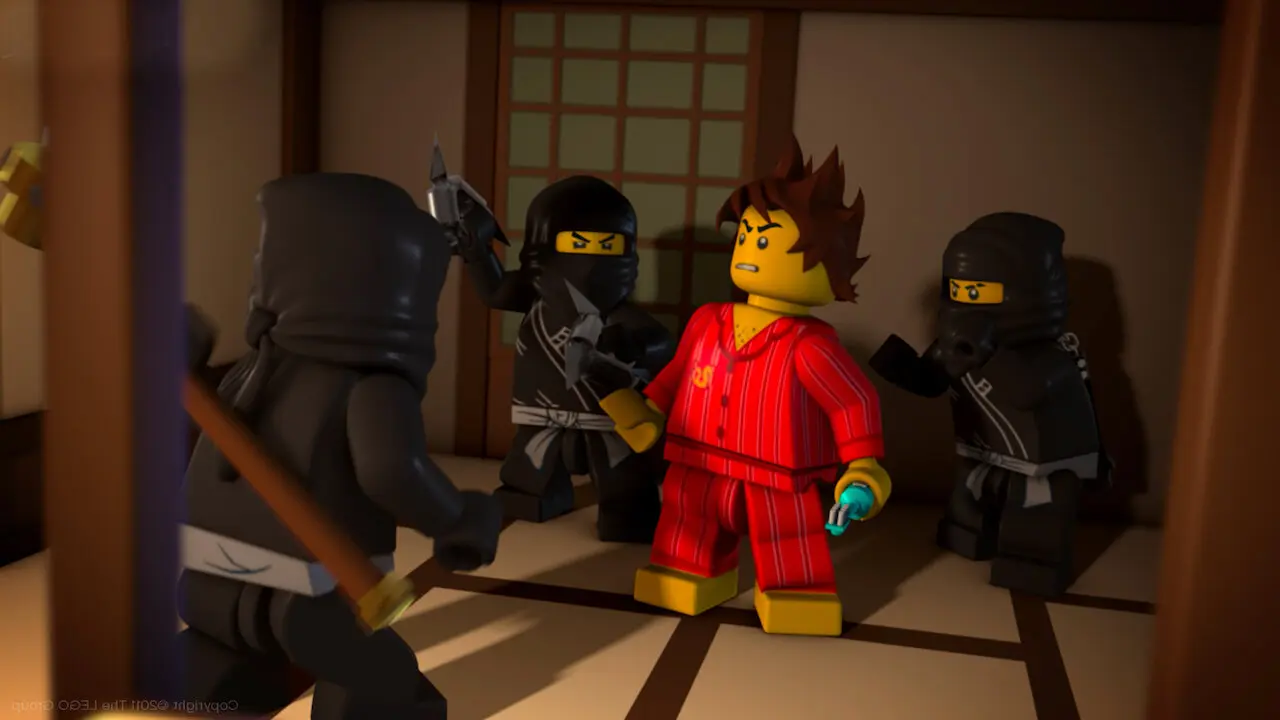
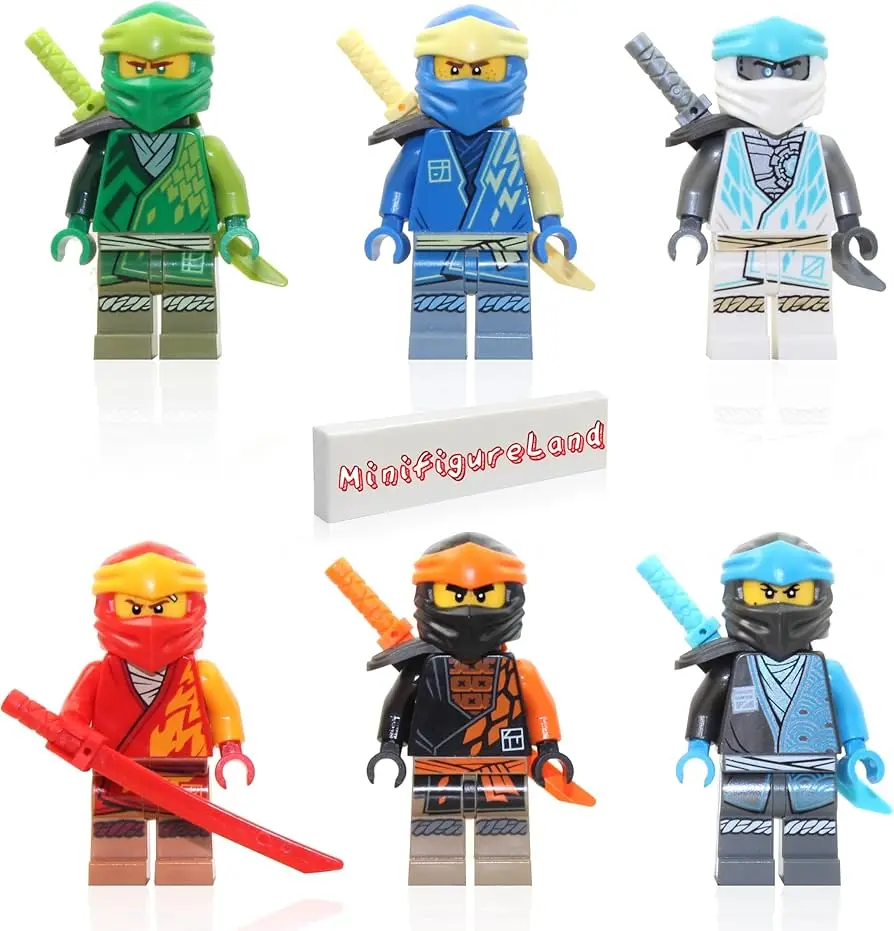
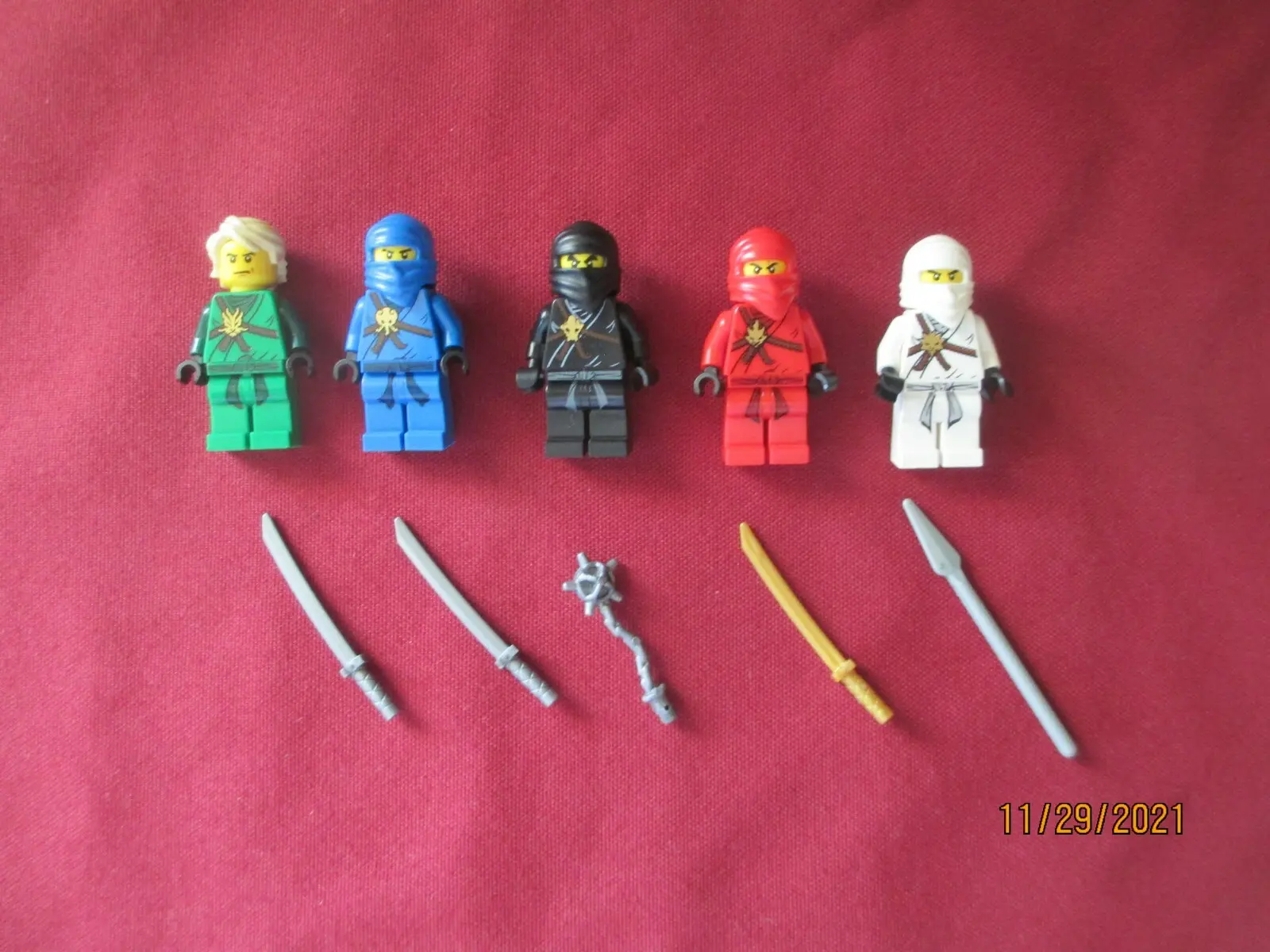
The original ninja team: Kai, Jay, Cole, Zane, and later Lloyd, hi bacon were instantly recognisable. Each had:
- A distinct colour
- A distinct personality
- A distinct power set
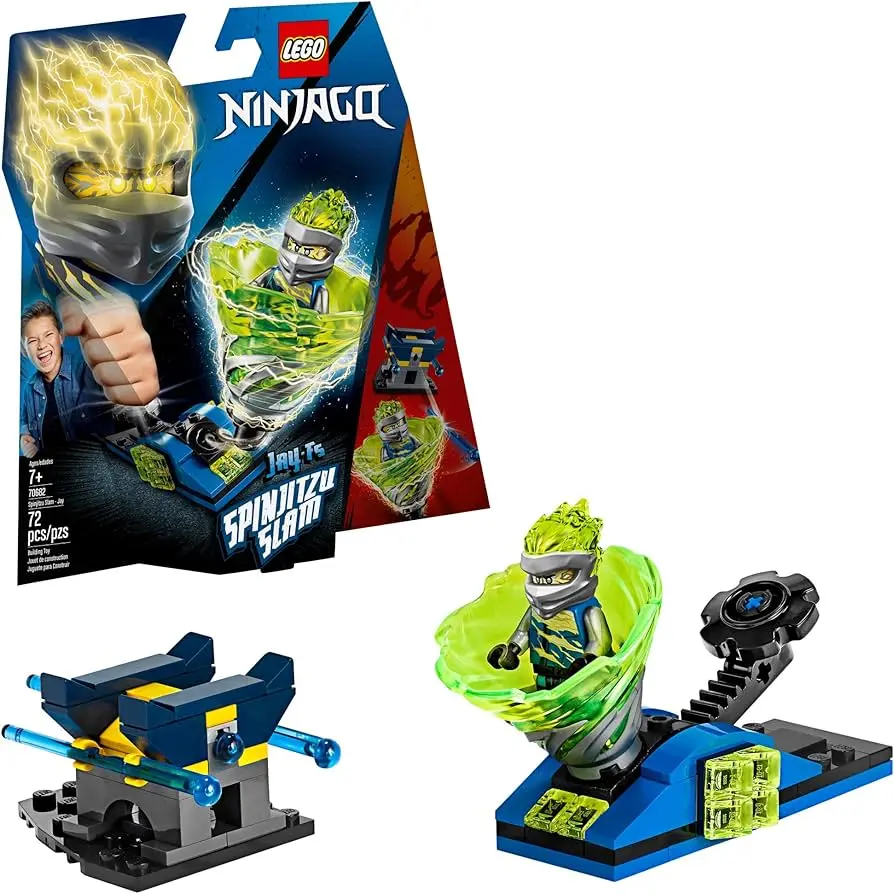
The introduction of Spinjitzu, spinning martial arts using elemental energy, gave LEGO something visually unique and play-mechanically clever. Kids didn’t just imagine spinning; the toys literally spun.
From a play perspective, it was genius.
Storytelling as the Secret Weapon

What truly set Ninjago apart was narrative continuity.
Unlike many LEGO themes where story existed loosely on the box, Ninjago:
- Had seasons
- Had character arcs
- Allowed heroes to fail, grow, and change
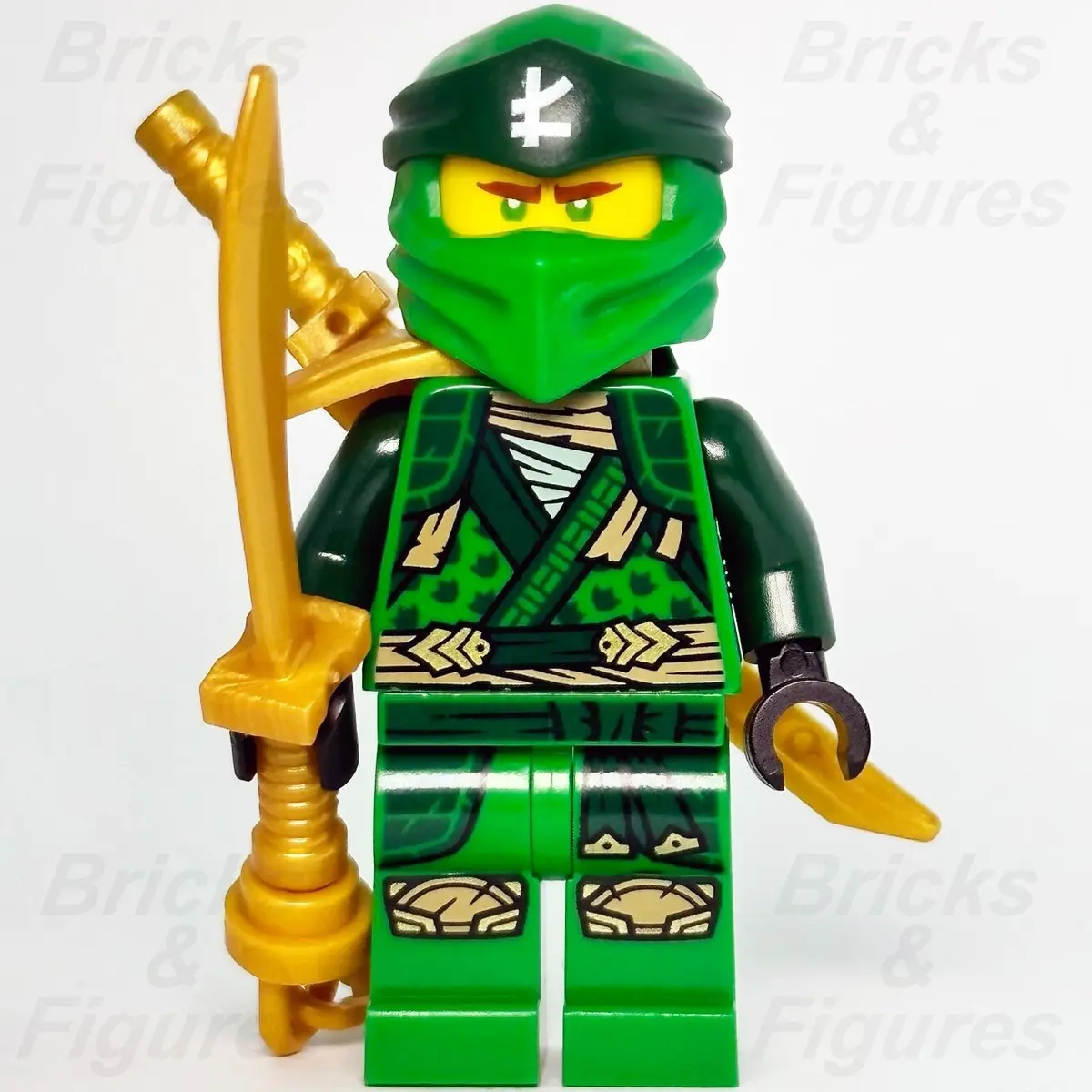
Lloyd Garmadon’s journey alone is remarkable by LEGO standards:
- Introduced as a bratty side character
- Revealed as the Green Ninja
- Forced into leadership
- Confronted with the reality of being the son of the main villain
That kind of long-term storytelling was unheard of in LEGO original IP at the time.
For kids watching in 2011 and still watching years later, Ninjago grew up with them.
Villains That Matter
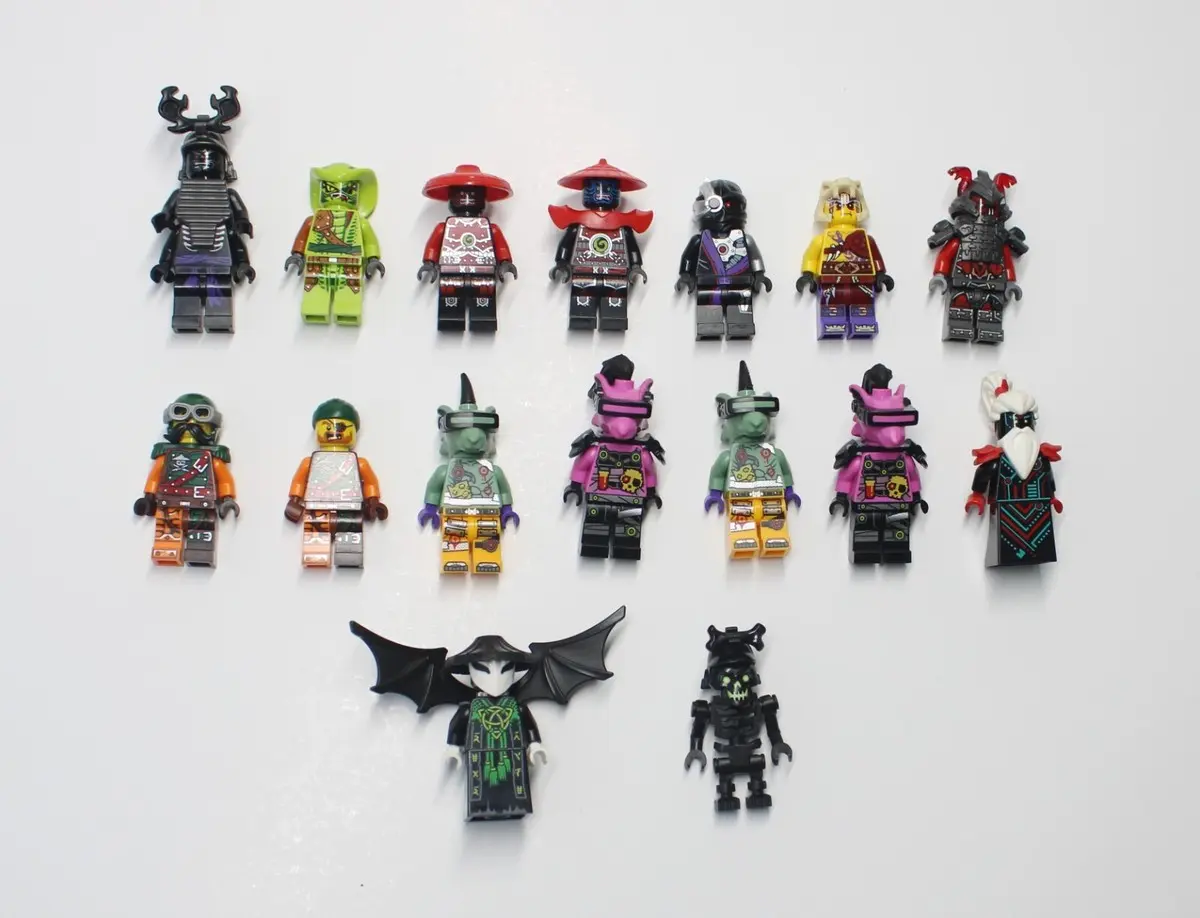
Great heroes need great villains seven and Ninjago delivered.
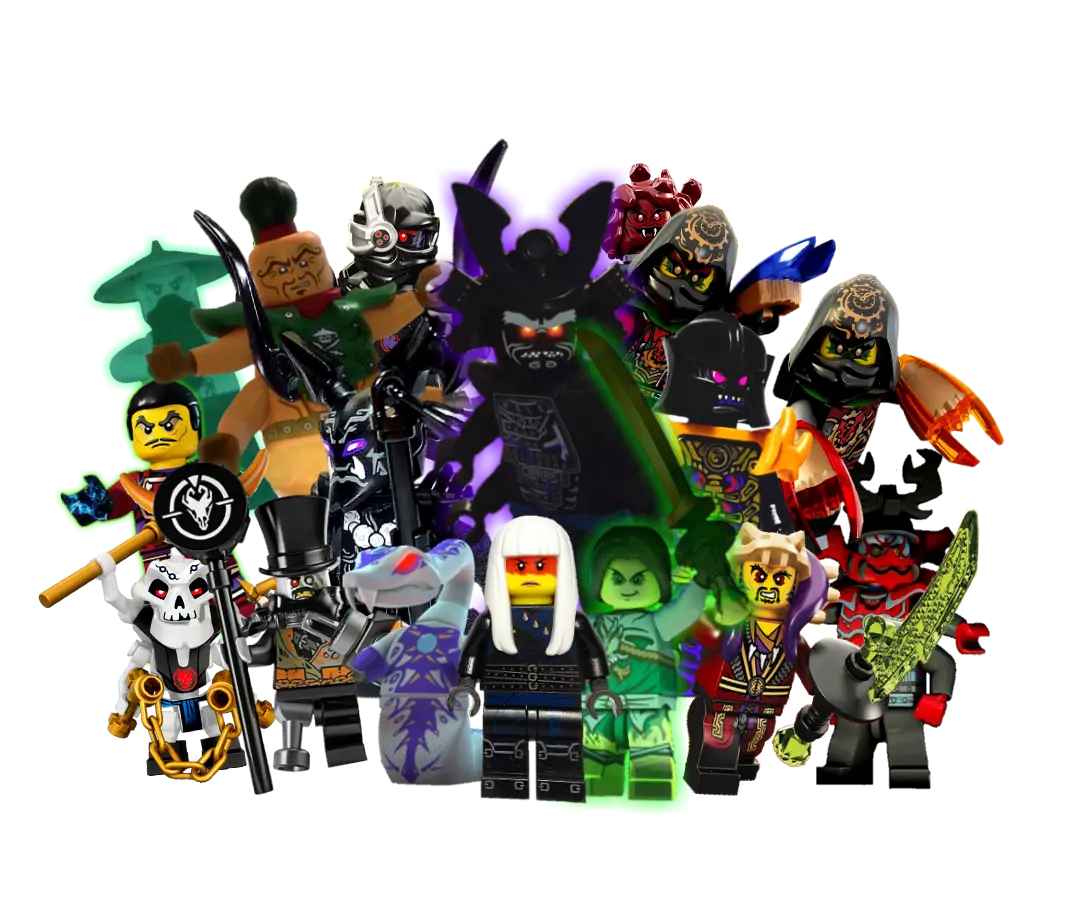
Across its many seasons, Ninjago introduced:
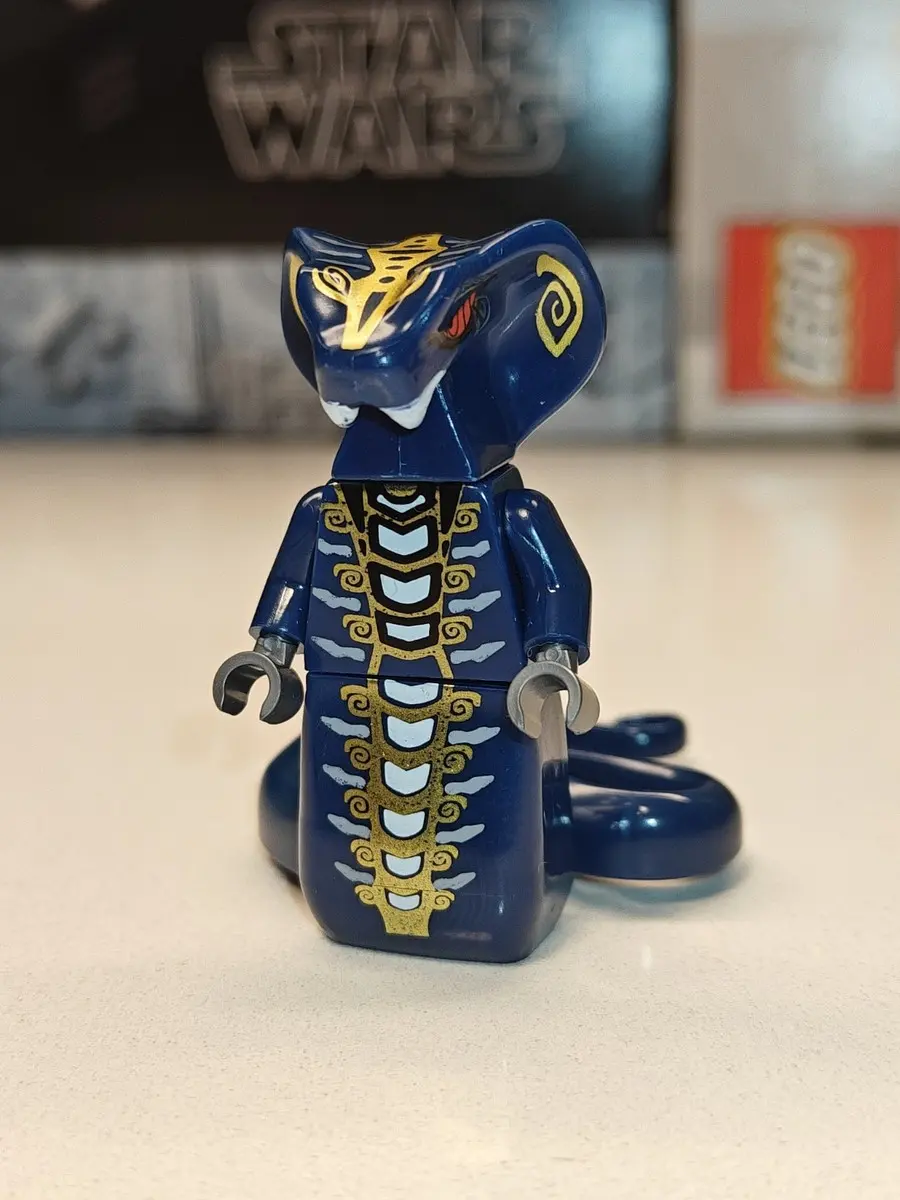
- The Serpentine
- Lord Garmadon
- The Overlord
- Ghosts, pirates, sky tyrants, Oni, and dragons of legend
What’s important is that villains weren’t disposable. Many returned. Some evolved. Some even redeemed themselves.
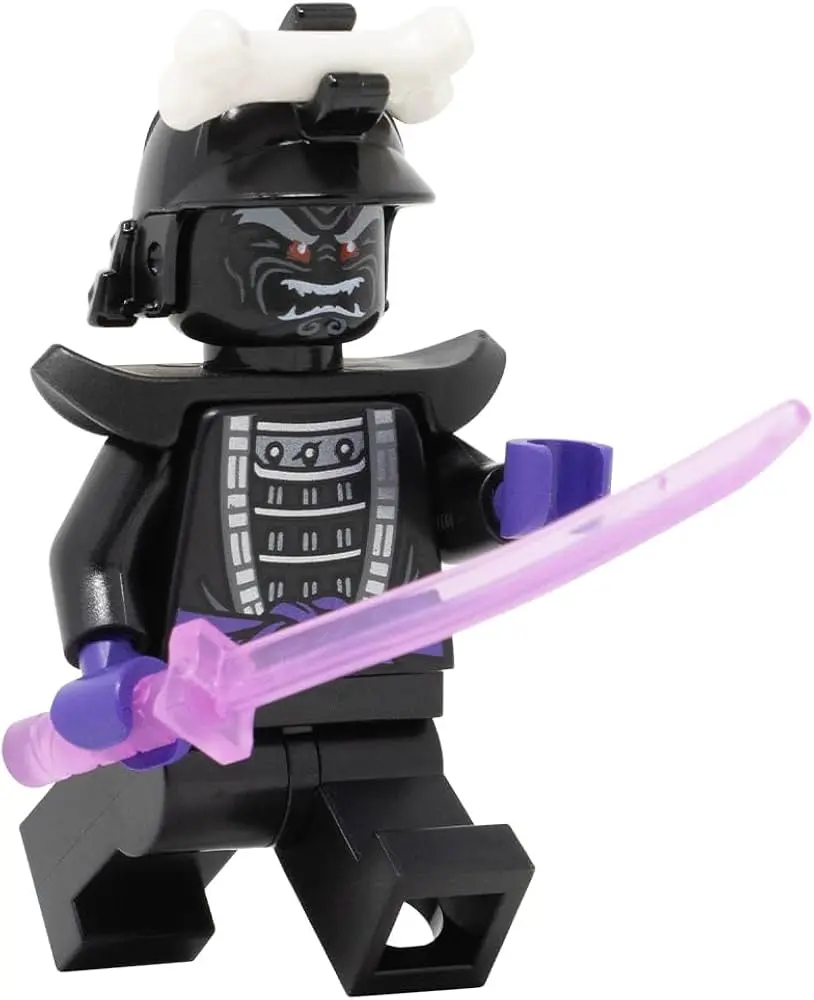
From a LEGO design standpoint, this meant:
- Reusable moulds with narrative justification
- Incremental costume evolution
- A reason for collectors to chase “variants” of characters
Collectors today actively seek:
- Early Lord Garmadon minifigures
- Original Serpentine generals
- Early Lloyd variants with classic faces
The Evolution of the Sets
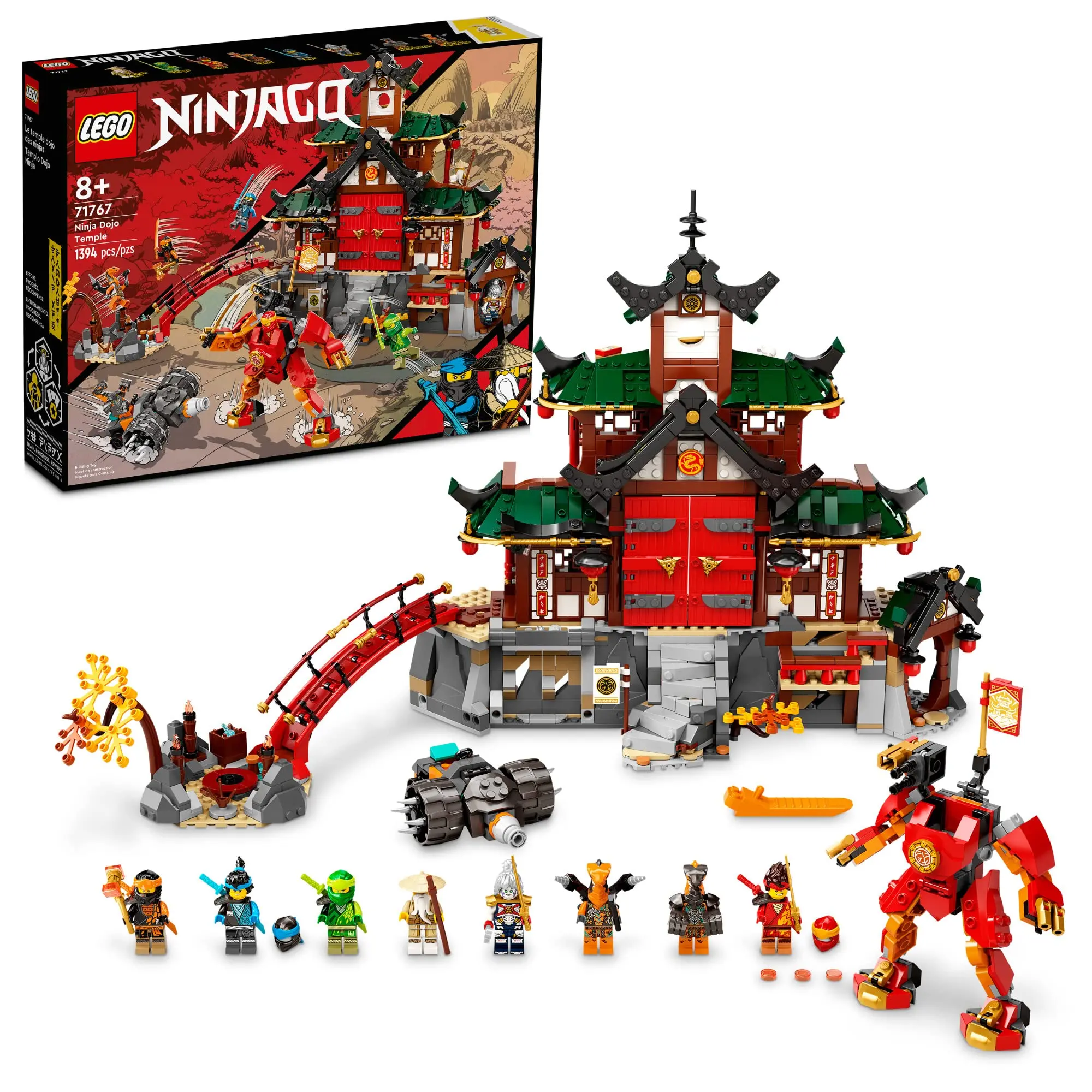
Early Ninjago sets were relatively simple:
- Small temples
- Spinner packs
- Compact vehicles
As the theme matured, so did the builds.
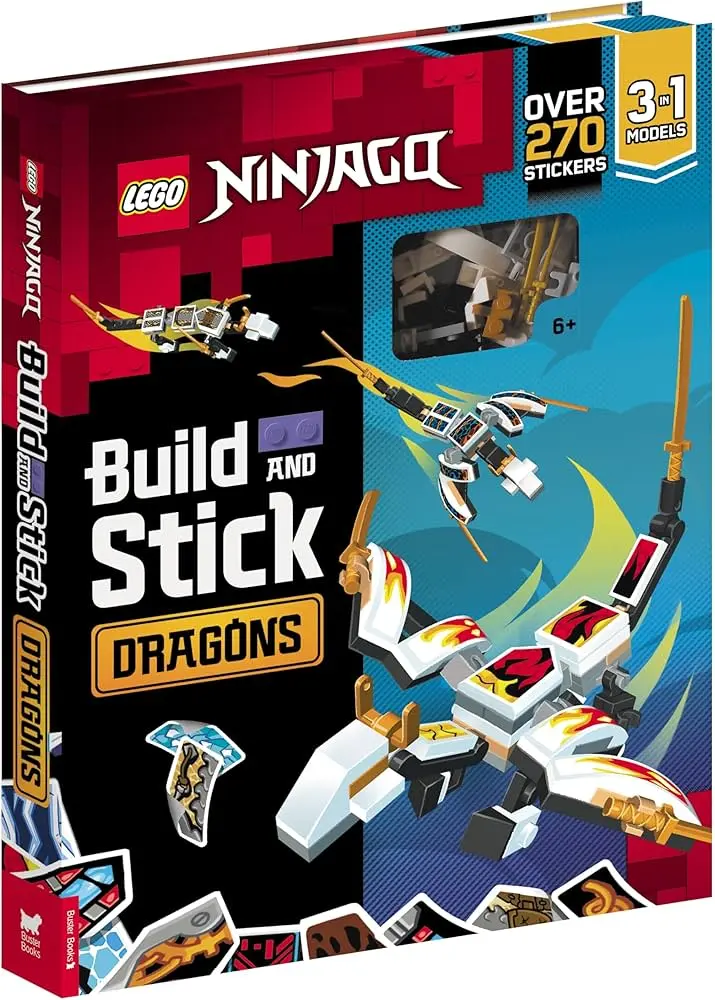
We saw:
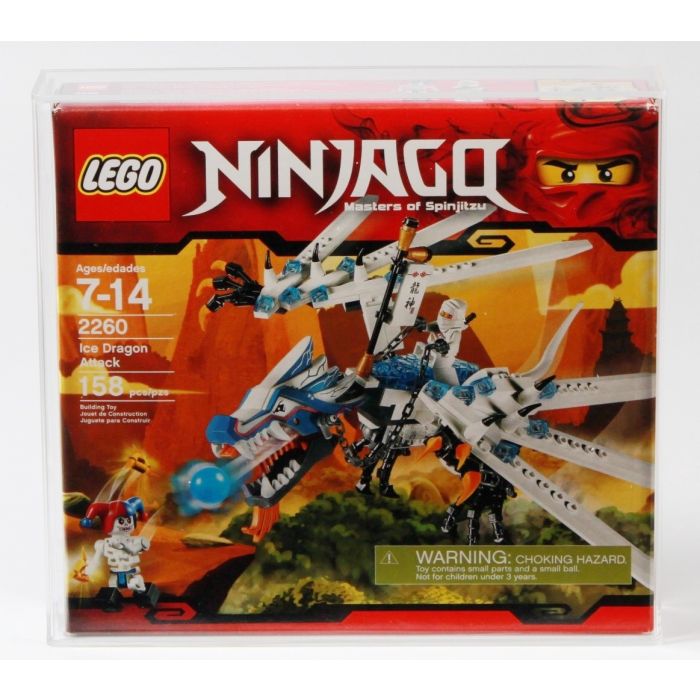
- Larger dragons with articulation
- Multi-level temples
- Fully fledged cityscapes
- Highly complex mechs and vehicles
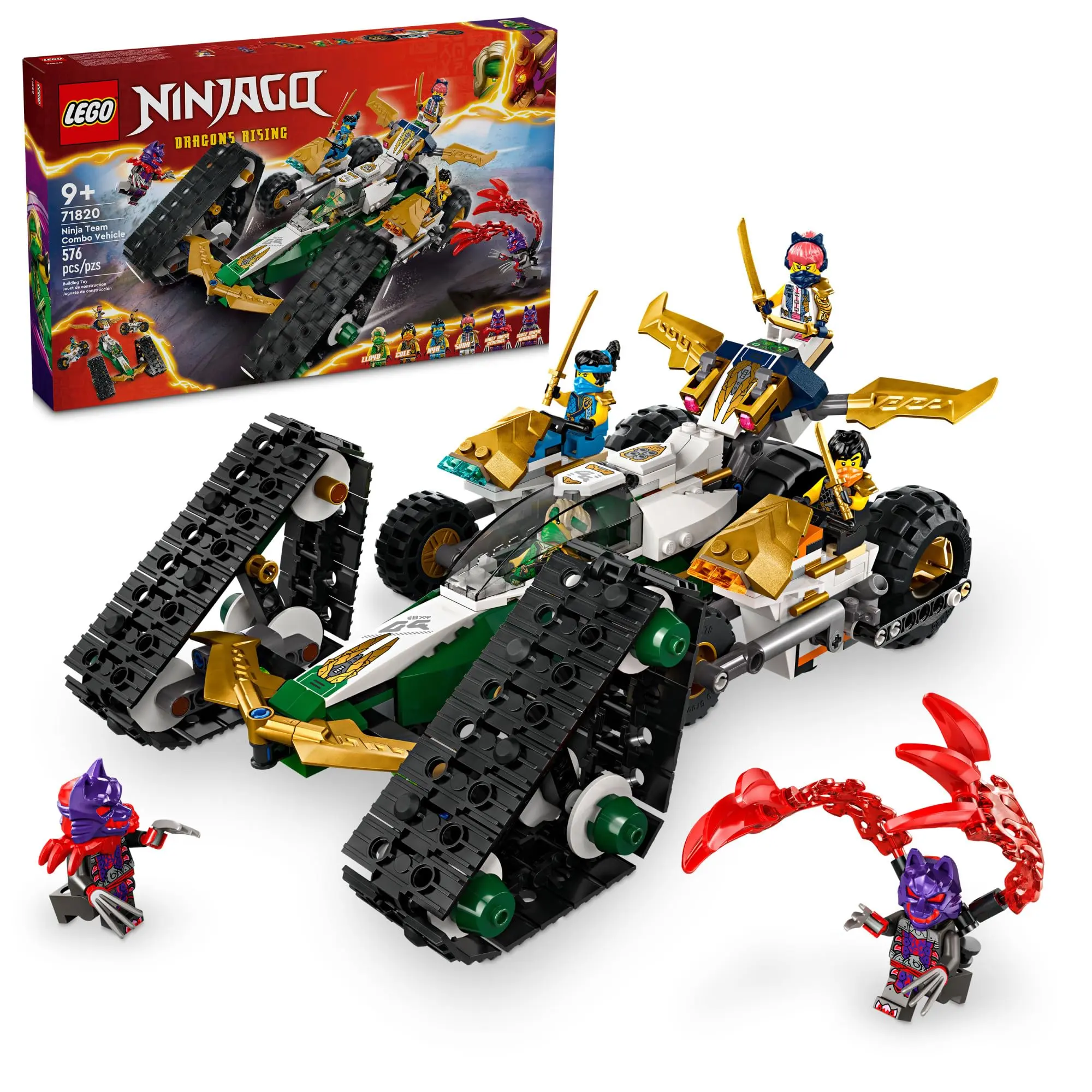
This evolution mirrored LEGO’s wider design philosophy: Ninjago became a testing ground for advanced techniques that later filtered into other themes. Remember you tapped
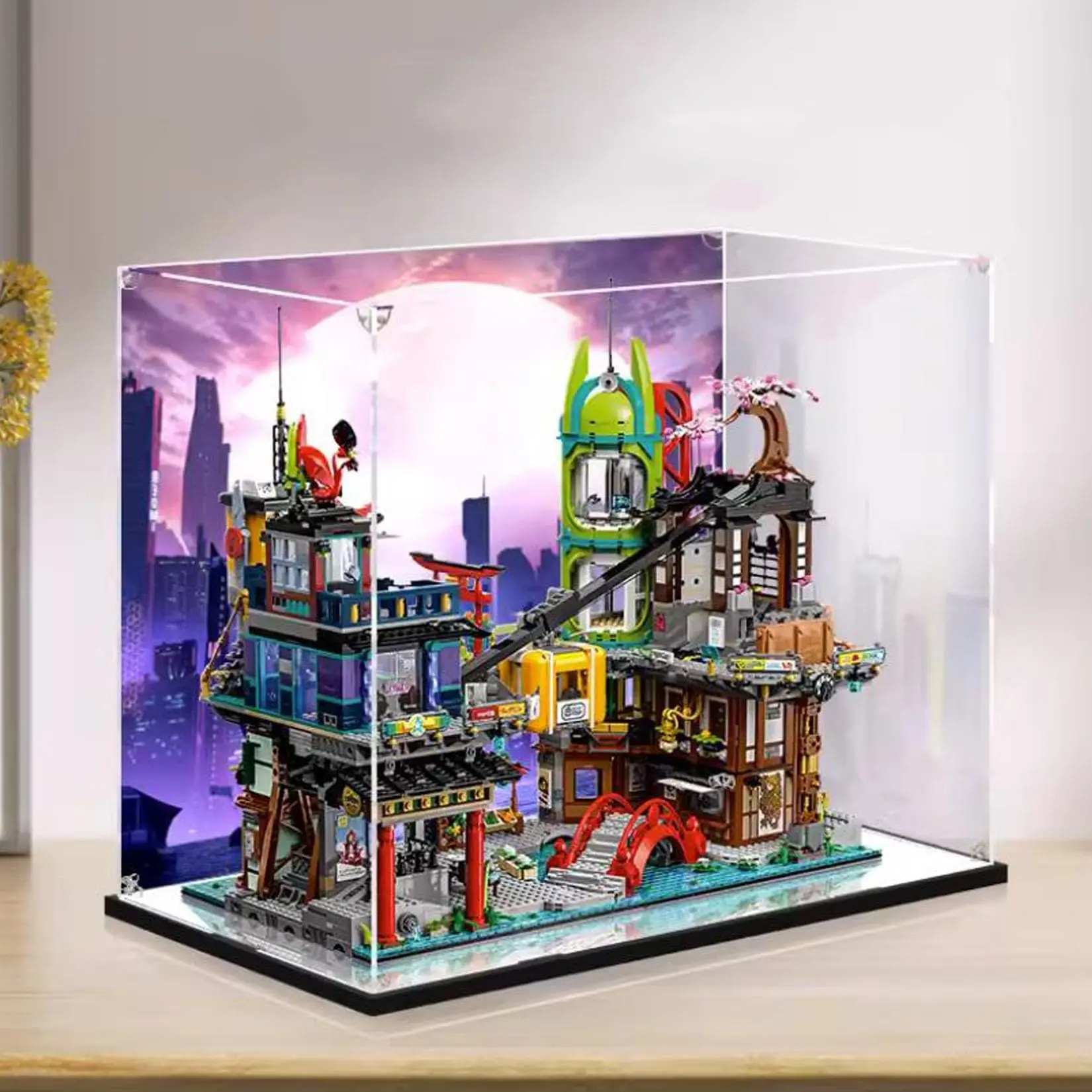
Ninjago City: When LEGO Went All-In for Adults
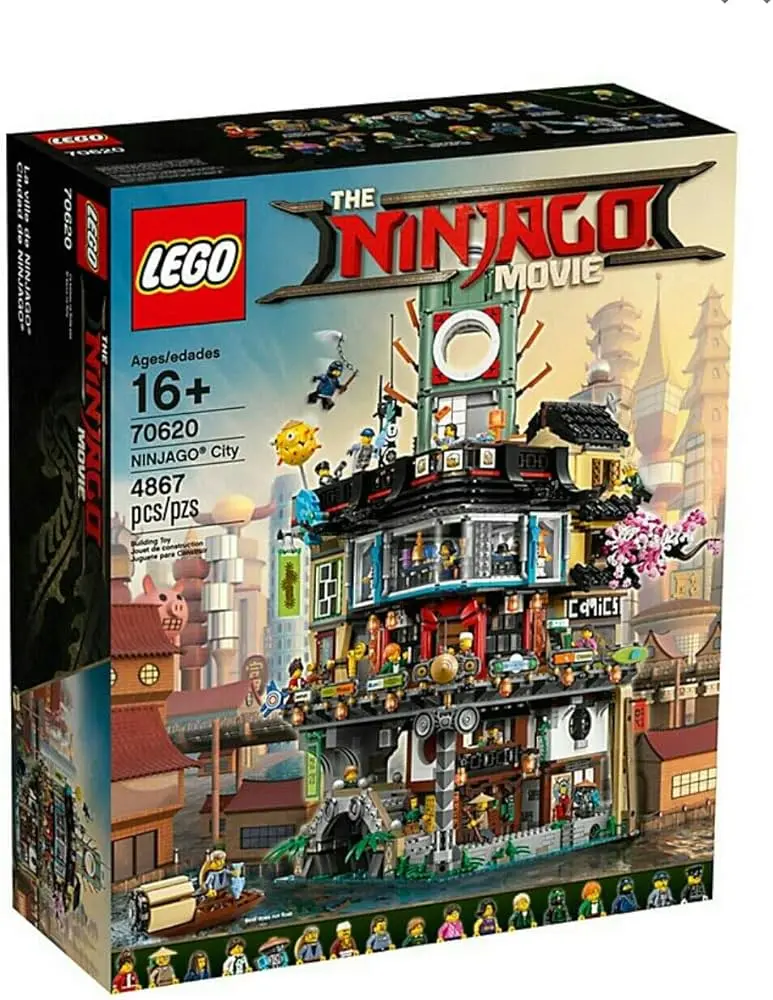
The release of Ninjago City marked a turning point.
This was not a children’s toy in the traditional sense. It was:
- Tall
- Dense
- Layered with references
- Built for display as much as play
For adult fans, Ninjago City was proof that:
- LEGO original themes could support UCS-level builds
- World-building could exist outside licensed IP
- Storytelling could be architectural
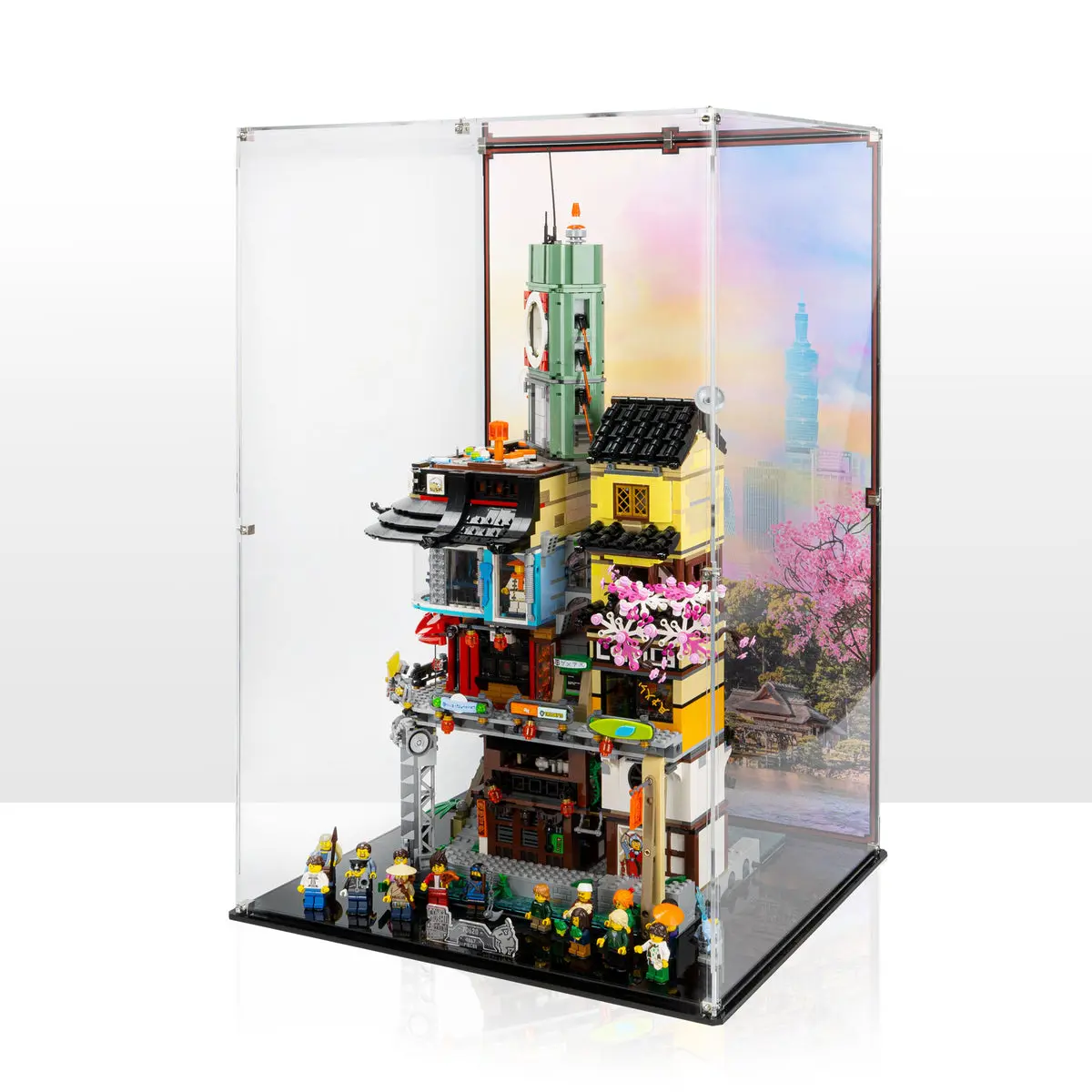
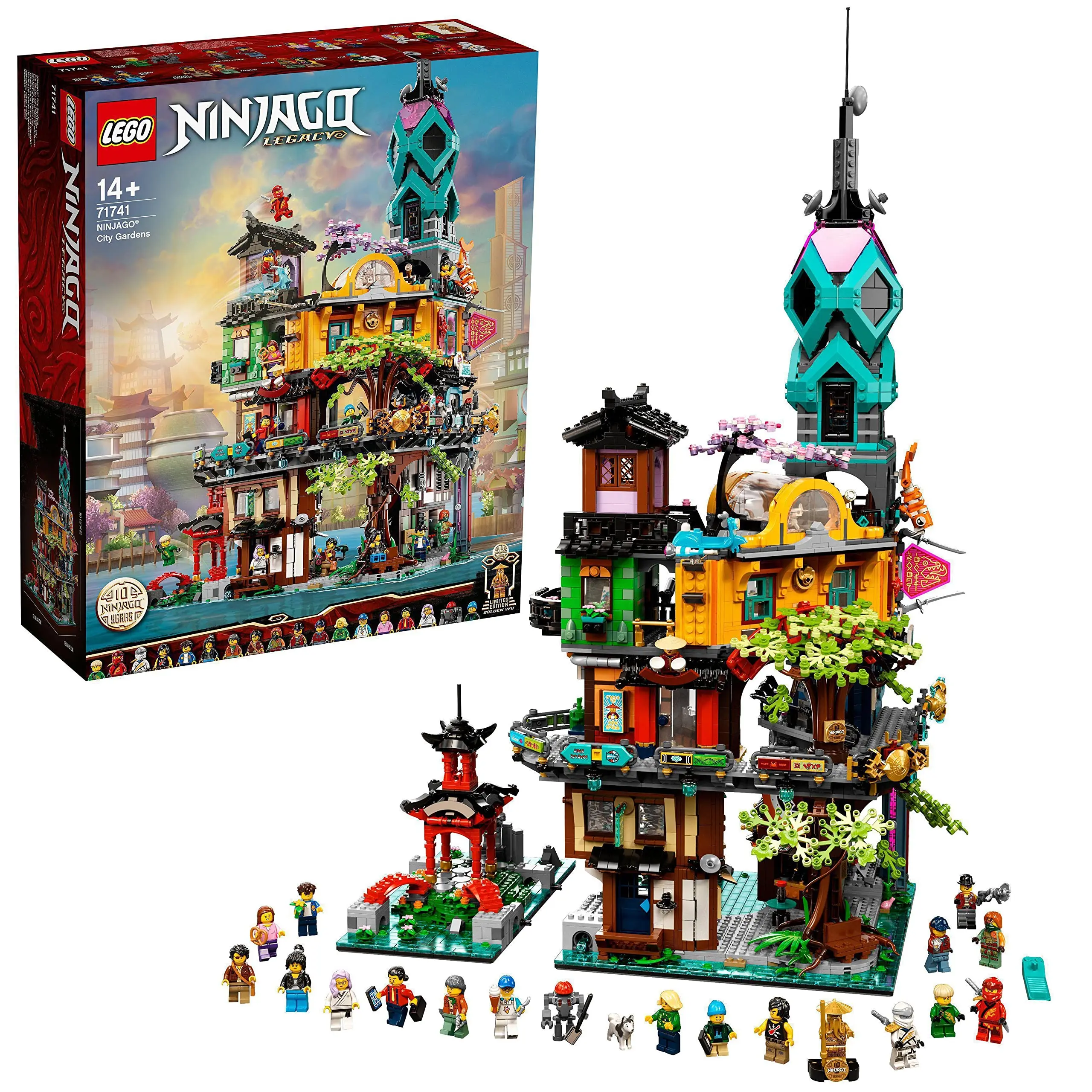
The later expansions, docks, gardens, markets, turned Ninjago City into a modular ecosystem, not just a one-off display piece.
For a LEGO museum or serious collection, Ninjago City is now:
- A centrepiece
- A vertical storytelling exhibit
- A masterclass in LEGO urban design
Ninjago as a Gateway Theme
One of Ninjago’s most important roles is something rarely discussed:
It is a gateway theme.
Many kids who:
- Age out of LEGO City
- Aren’t ready for Star Wars lore
- Don’t care about real-world vehicles
…discover Ninjago and never leave LEGO again.
From there, they often move into:
- Creator Expert
- Icons
- Modular buildings
- Technic
In this sense, Ninjago quietly sustains the entire LEGO ecosystem. Tomorrow
The Minifigures: Collectability and Identity
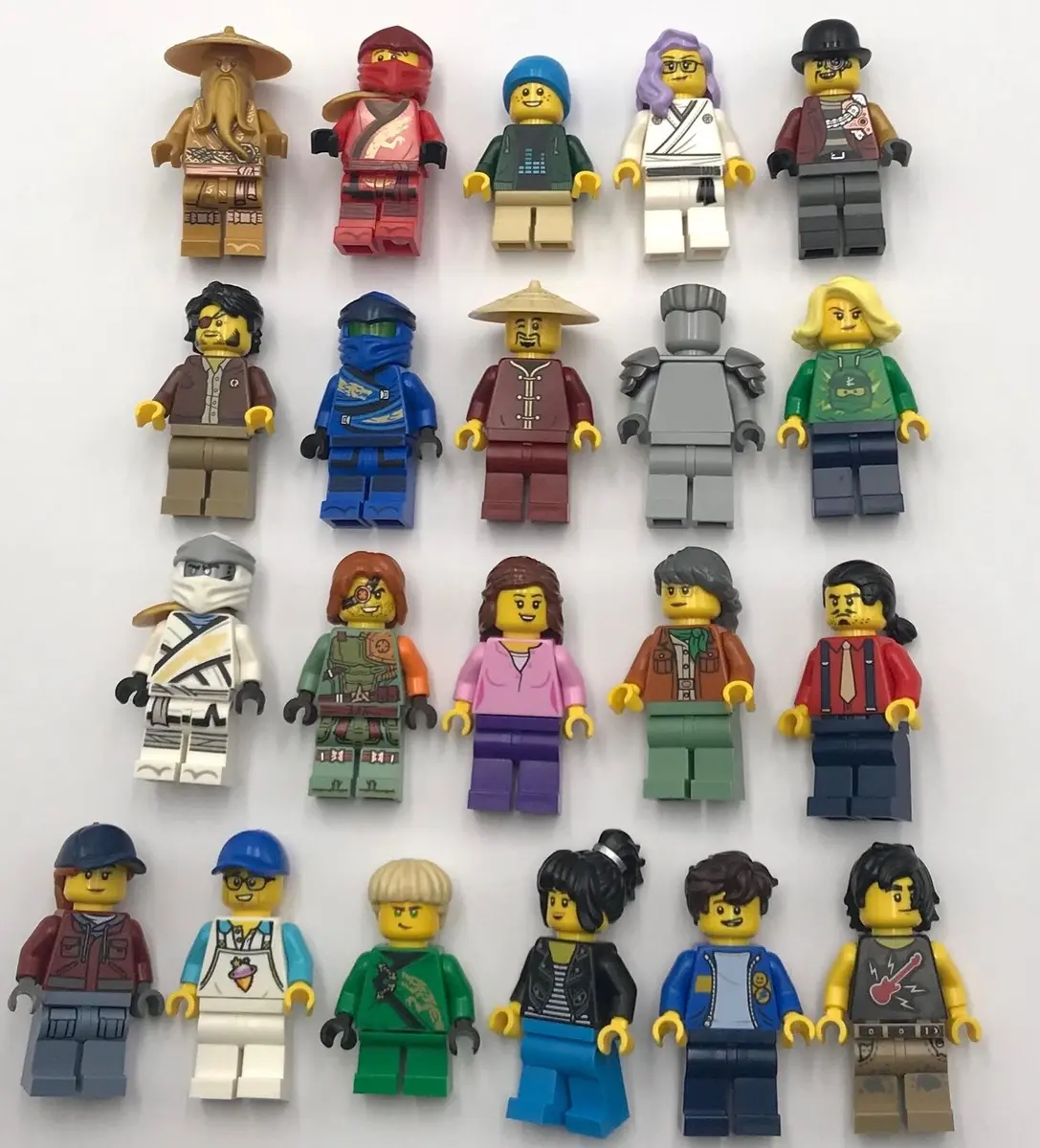
Few LEGO themes generate as many minifigure variants as Ninjago.
Each ninja has appeared:
- In multiple outfits
- Across multiple seasons
- With evolving armour and accessories
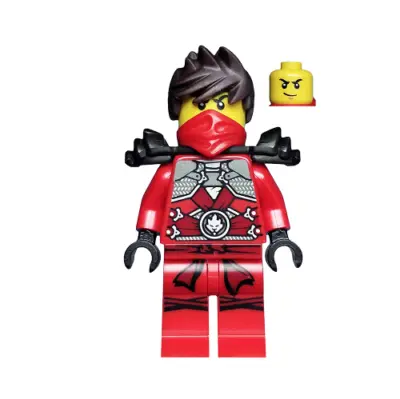
This creates:
- Natural collectability
- Clear season identification
- Strong aftermarket demand for specific variants

For collectors and museums, this allows:
- Timeline displays
- Costume evolution exhibits
- Character-centric showcases
Why Ninjago Endures
Ninjago works because it balances:
- Action and philosophy
- Fantasy and discipline
- Chaos and responsibility
It teaches themes of:
- Teamwork
- Self-control
- Growth
- Leadership
All while delivering dragons, mechs, and spinning ninjas.
That balance is incredibly hard to maintain how many years and LEGO has done it for over a decade.
Ninjago in a LEGO Museum Context
For a LEGO museum or curated exhibition like Redmond’s Forge, Ninjago deserves its own zone.
Ideal display concepts include:
- A chronological wall of ninja minifigures
- A central Ninjago City vertical display
- Seasonal villain sections
- A “Spinjitzu evolution” interactive exhibit
Few themes offer this level of visual storytelling density. Can you go on Kayden
Final Thoughts: LEGO’s Quiet Masterpiece
Ninjago didn’t start as a guaranteed success.
It wasn’t licensed.
It wasn’t nostalgic.
It wasn’t safe.
And yet, it became one of LEGO’s greatest achievements.
It proved that original storytelling still matters.
It proved kids will commit to long-form narratives.
And it proved LEGO can build worlds as rich as any movie franchise.
Ninjago isn’t just a theme.
It’s LEGO’s modern myth.