A Museum Guide to the Theme That Taught Generations How Machines Work
LEGO Technic occupies a unique and important place in the history of LEGO. Where many LEGO themes focus on storytelling, characters, or city life, Technic is about how things work. It is the theme that turns LEGO from a toy into a teaching tool, from simple play into mechanical understanding, and from imagination into engineering.
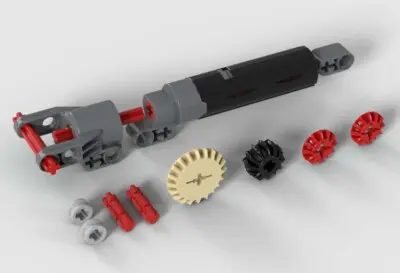
For many visitors to a LEGO Museum, Technic is the moment when they realise LEGO is not just about building models, it’s about building systems. Gears mesh. Pistons fire. Suspensions compress. Motors spin. And suddenly, a model isn’t static anymore: it moves, steers, lifts, and drives just like the real machines it represents.
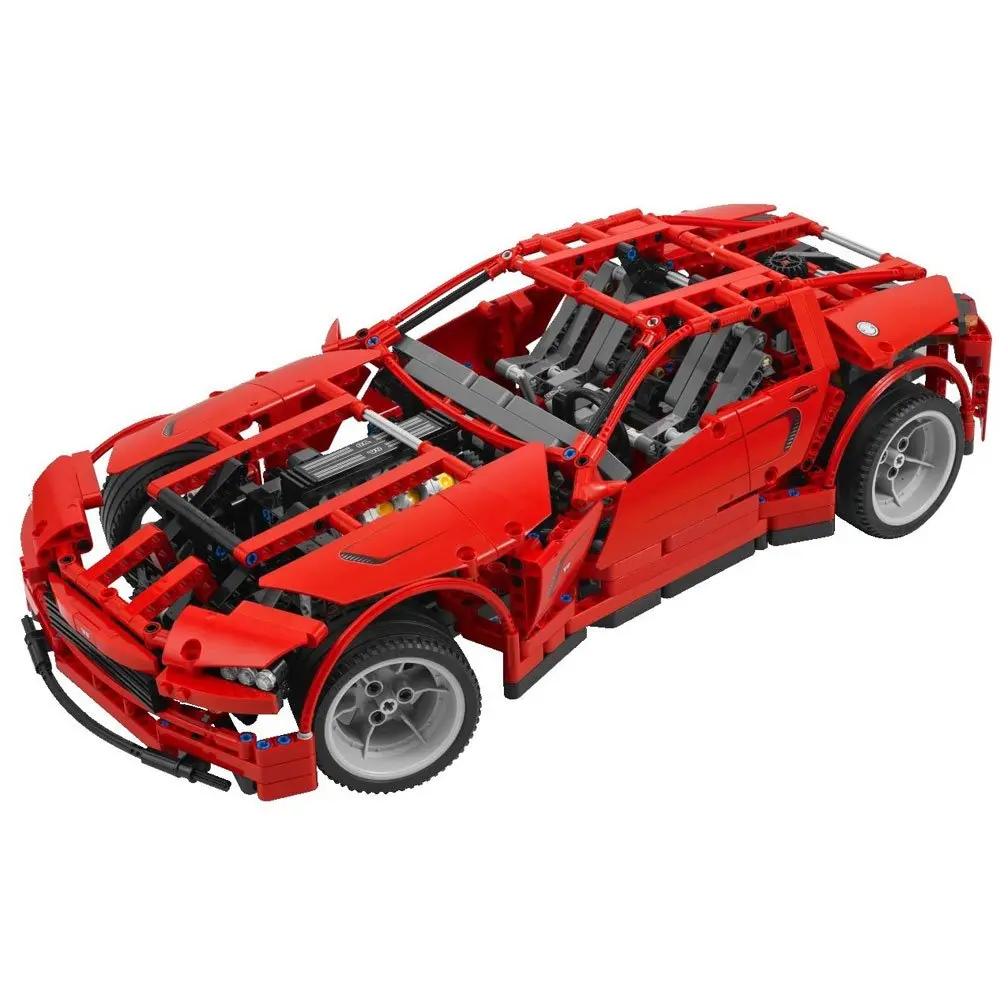
This display celebrates LEGO Technic as both a design philosophy and an educational milestone, charting its evolution from the late 1970s to today’s hyper-detailed supercars and industrial-scale machines.
The Birth of LEGO Technic: From Studs to Systems
LEGO Technic was officially introduced in 1977, originally under the name Expert Builder. At the time, LEGO recognised that older children, and adults, wanted more complex, realistic building challenges. Traditional LEGO bricks were excellent for structures, but they were limited when it came to mechanical realism.
Technic introduced a radical shift:
- Studless beams with holes
- Pins instead of studs
- Axles, gears, and linkages
- Movement as a core design goal
This was not just a new theme; it was a new language of building. Suddenly, LEGO models could transmit motion, convert rotational force into linear movement, and replicate real-world mechanical functions.
In museum terms, this is the moment LEGO crossed from architecture into engineering.
The Technic System: A New Way to Think
What makes Technic fundamentally different from other LEGO themes is its system-first approach. Technic builders don’t start by stacking bricks; they start by designing a frame.
Key Technic elements include:
- Beams: Structural components that form strong frames
- Pins: Friction and non-friction connectors that allow controlled movement
- Axles: Transmit rotational force
- Gears: Change speed, torque, and direction
- Liftarms: Lightweight, studless structural pieces
- Panels: Provide shape and aesthetics without sacrificing function
In a Technic build, nothing exists just to look good. Even decorative panels are usually attached to a working internal skeleton. This “function-first” design philosophy mirrors real-world mechanical engineering—and that’s why Technic feels so different to build.
Learning Through Play: Why Technic Matters
Technic is one of LEGO’s most educational themes, often without builders even realising they’re learning.
A single Technic model can teach:
- Gear ratios and torque
- Steering geometry
- Suspension systems
- Differentials
- Linkages and levers
- Load-bearing structures
For many engineers, mechanics, designers, and programmers, LEGO Technic was their first exposure to mechanical thinking. You don’t just follow instructions—you debug problems:
- Why doesn’t the gearbox shift?
- Why does the steering bind?
- Why does the model collapse under weight?
In a museum context, this makes Technic one of the most important themes on display. It represents LEGO’s role not just in play, but in STEM education long before the term became popular.
Vehicles, Machines, and the Real World
From the beginning, Technic models have focused on real-world machinery. Unlike fantasy-heavy themes, Technic is grounded in realism.
Common Technic model categories include:
- Construction equipment (cranes, excavators, loaders)
- Agricultural machinery (tractors, harvesters)
- Emergency vehicles
- Motorcycles
- Supercars and hypercars
- Industrial machines
- Aircraft and helicopters
These aren’t simplified toys. Many Technic sets replicate:
- Real suspension layouts
- Real gearbox configurations
- Authentic steering mechanisms
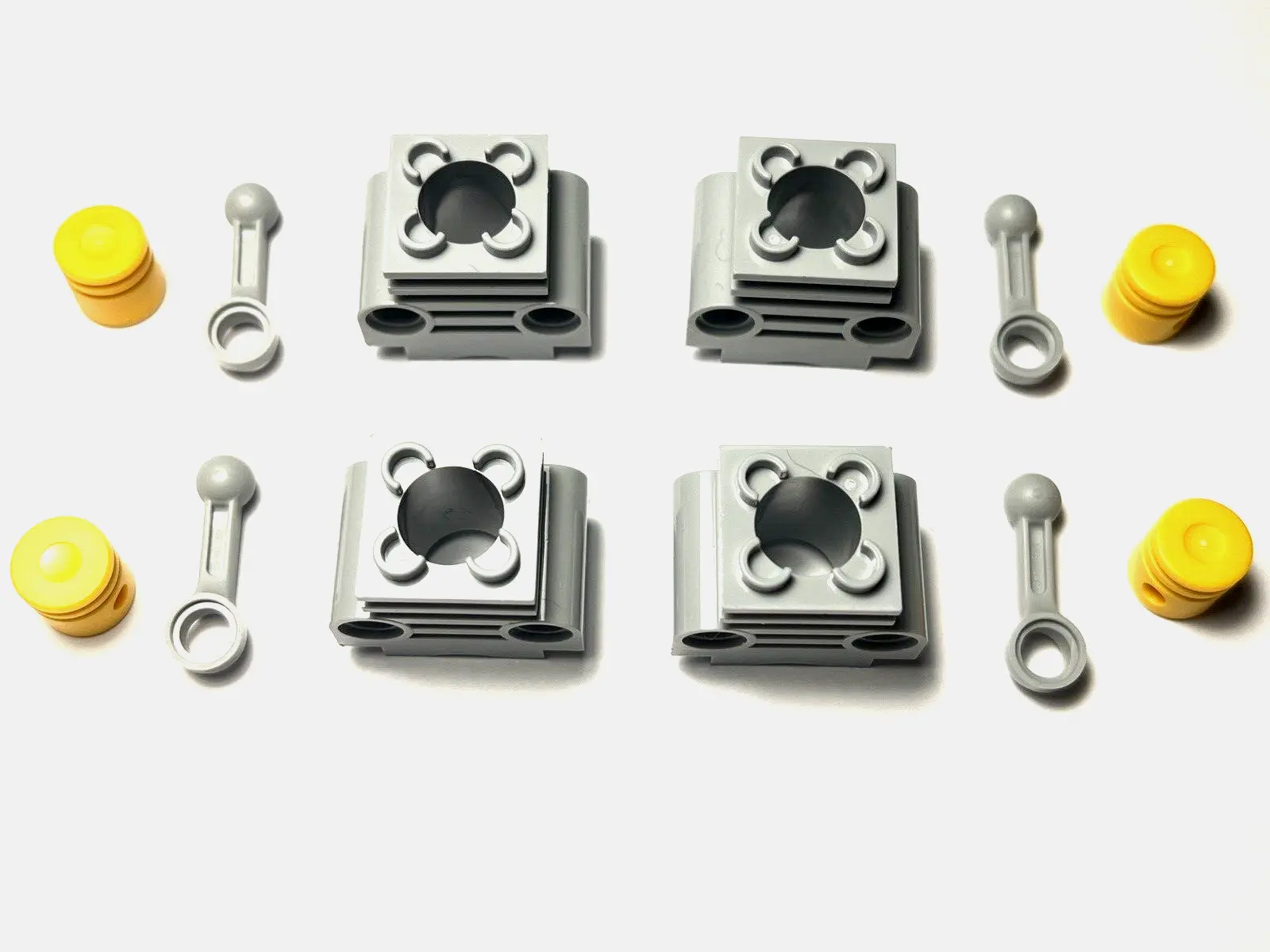
- Engine block layouts with moving pistons
For museum visitors, this creates a powerful connection: this LEGO model works the same way as the real machine outside the building.
Motors, Power, and Control
One of Technic’s most revolutionary aspects has always been power.
Over the decades, LEGO introduced:
- Battery boxes
- Electric motors
- Pneumatic systems
- Infrared control
- Bluetooth app control
- Programmable hubs
Motors transformed Technic from manually operated models into remote-controlled machines. Cranes could lift heavy loads. Trucks could drive and steer. Excavators could dig autonomously.
Pneumatics added another layer, using air pressure to simulate hydraulic systems—one of the most realistic features LEGO has ever produced.
In modern Technic, app-based control allows:
- Precise steering
- Variable speed control
- Multi-function machines
- Realistic driving modes
This progression shows LEGO keeping pace with technology while remaining faithful to the mechanical heart of Technic.
The Rise of the Supercar
One of the most iconic evolutions in LEGO Technic is the supercar era.
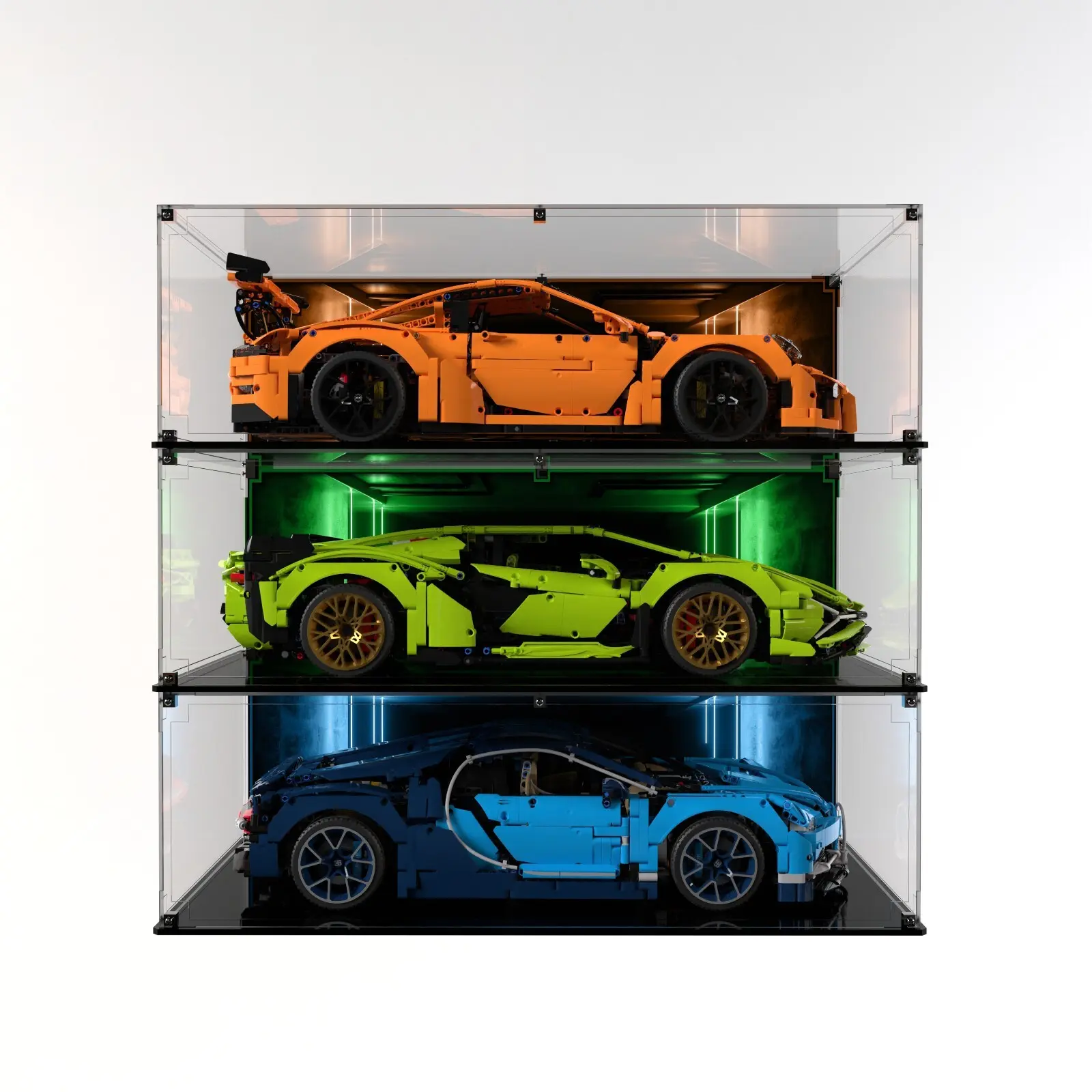
Modern Technic supercars are engineering showcases:
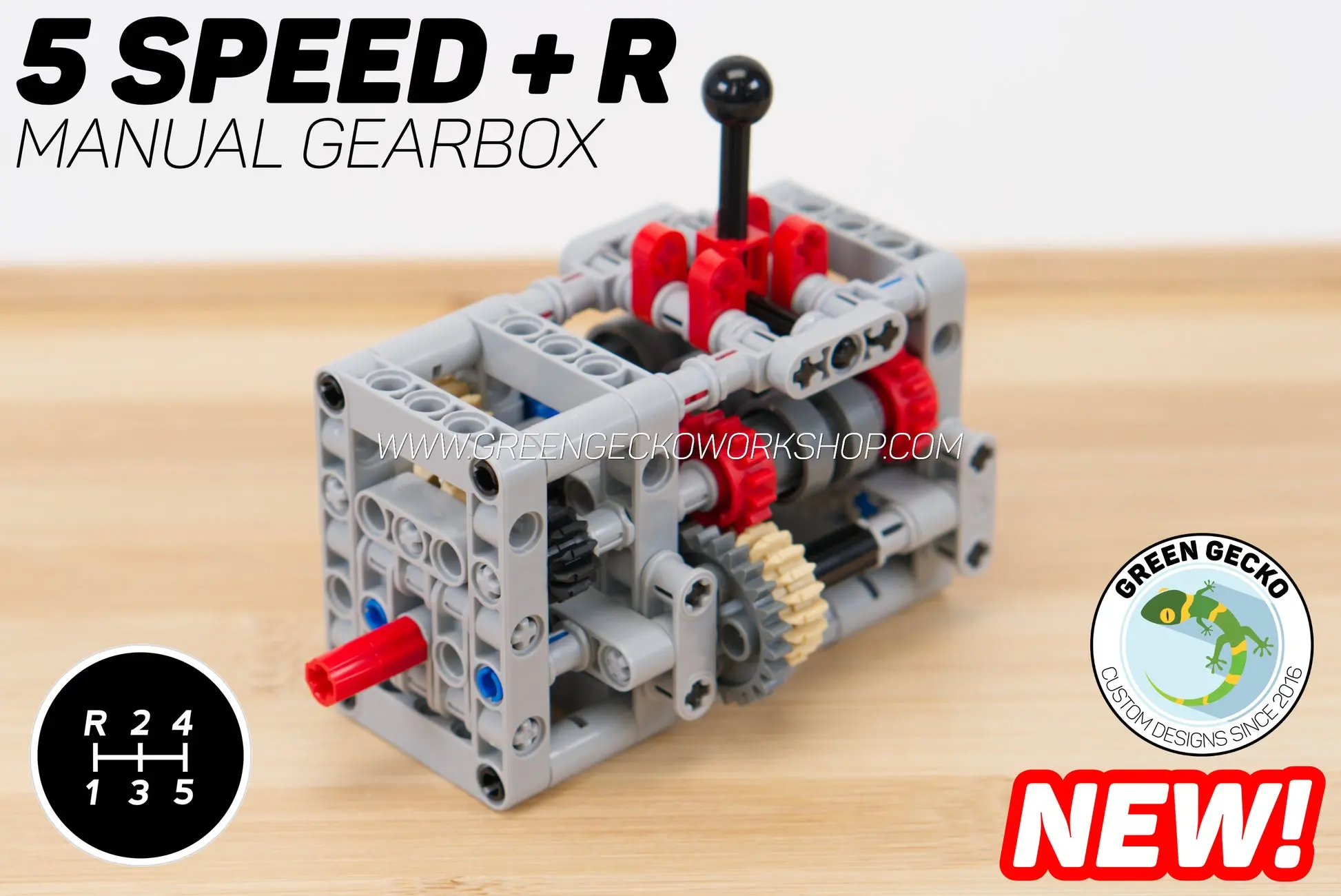
- Multi-speed gearboxes
- Paddle shifters
- Independent suspension
- Functional steering wheels
- Detailed engines
- Advanced body shaping
These models are as much about how they are built as how they look. Opening panels reveals complex internal structures, inviting builders—and museum visitors—to see the mechanics at work.
Supercars also introduced Technic to adult collectors in a major way. These are display pieces as much as toys, blurring the line between model kit and LEGO set.

Scale, Complexity, and the Adult Builder
As LEGO Technic evolved, so did its audience. Early Technic was aimed at older children; modern Technic frequently targets adults.
Large-scale Technic sets can involve:
- Thousands of pieces
- Multi-day builds
- Advanced instruction sequences
- Complex alignment tolerances
These builds reward patience and precision. A small error early on can cascade into major problems later—just like real engineering projects.
In a LEGO Museum, Technic often commands longer viewing times. Visitors lean in, trace gear trains with their eyes, and try to work out how it all fits together.
Aesthetic Evolution: From Studs to Smooth Lines
Early Technic models were unapologetically mechanical. Exposed beams, visible gears, and skeletal frames were the aesthetic.
Over time, LEGO introduced:
- Curved panels
- Colour-coded parts
- Hidden structural frames
- More realistic shaping
Modern Technic models balance beauty and function. The internal mechanics remain complex, but the exterior increasingly mirrors real-world industrial design.
This evolution reflects LEGO’s growing confidence that Technic can be both engineered and elegant.
Technic in the LEGO Ecosystem
Technic is not isolated—it influences and is influenced by other LEGO themes.
- Many advanced building techniques originate in Technic and migrate elsewhere
- Power systems cross into robotics and programmable themes
- Structural ideas inspire large-scale display builds
Technic is LEGO’s R&D lab, quietly shaping how all LEGO evolves.
Why Technic Belongs in a Museum
LEGO Technic deserves its place in a LEGO Museum because it represents:
- Innovation
- Education
- Engineering thinking
- Long-term skill development
- The bridge between play and profession
For children, Technic plants the seed of curiosity.
For adults, it rekindles the joy of problem-solving.
For educators, it demonstrates the power of learning through hands-on experimentation.
This display isn’t just about impressive models, it’s about understanding the systems behind the world we live in.
Final Thoughts: More Than LEGO
LEGO Technic is not simply a theme. It is a philosophy: build it, test it, understand it, improve it.
In the context of this museum, Technic stands as a tribute to human ingenuity, expressed through plastic beams, pins, and gears. It shows how a toy can become a tool, how play can become education, and how imagination can lead to engineering.
When visitors leave the Technic section, they don’t just walk away impressed. They walk away thinking:
“I want to know how that works.”
And that is exactly what LEGO Technic was designed to do.