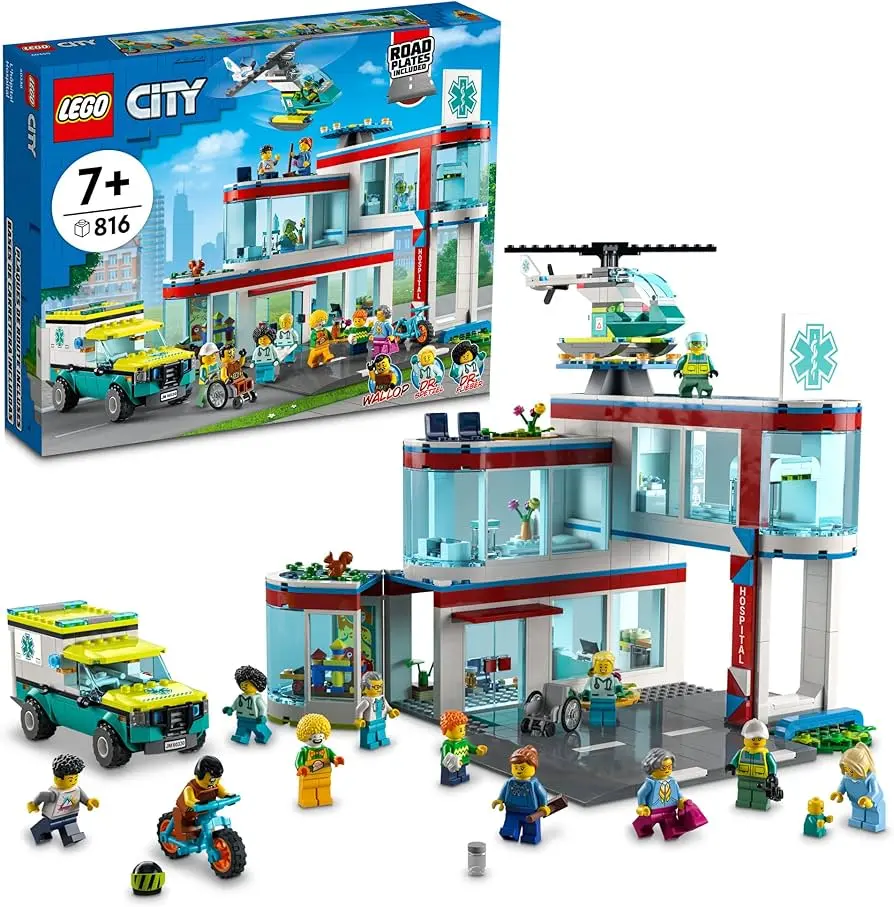
LEGO City is not just a theme, it is the backbone of LEGO storytelling. It is the world where everything else lives. Before there were Jedi, superheroes, ninjas, or licensed universes, LEGO City (and its predecessors) taught generations how to build life itself: streets, homes, jobs, vehicles, routines, and communities.
Unlike fantasy themes that ask “what if?”, LEGO City asks a simpler, more powerful question: “What does your world look like?”
From police stations and fire engines to airports, harbours, farms, hospitals, and space centres, LEGO City reflects the evolving shape of modern society — filtered through the endlessly optimistic lens of LEGO imagination.
This is the story of how LEGO City became the most enduring, flexible, and culturally revealing theme LEGO has ever produced.
1. Before LEGO City: Town, Basic, and the Birth of Playable Reality (1950s–1970s)
Long before the LEGO City logo appeared on a box, LEGO was already experimenting with the idea of everyday life in brick form.
In the 1950s and 1960s, LEGO’s “Town Plan” sets introduced:
- Roads and baseplates
- Simple houses
- Civilian vehicles
- Urban layouts rather than isolated models
These early town systems were about planning, not play. They were static, architectural, and closer to model railways than modern LEGO sets. Minifigures didn’t yet exist — buildings were empty shells waiting for imagination to fill them.
The real breakthrough came in 1978, with the introduction of the LEGO minifigure.
Everything changed overnight.
Suddenly, LEGO towns had:
- People with faces
- Jobs and identities
- Stories, conflicts, routines
The town was no longer just built — it was inhabited.
2. The Classic Town Era (1978–1998): Simplicity, Charm, and Pure Play
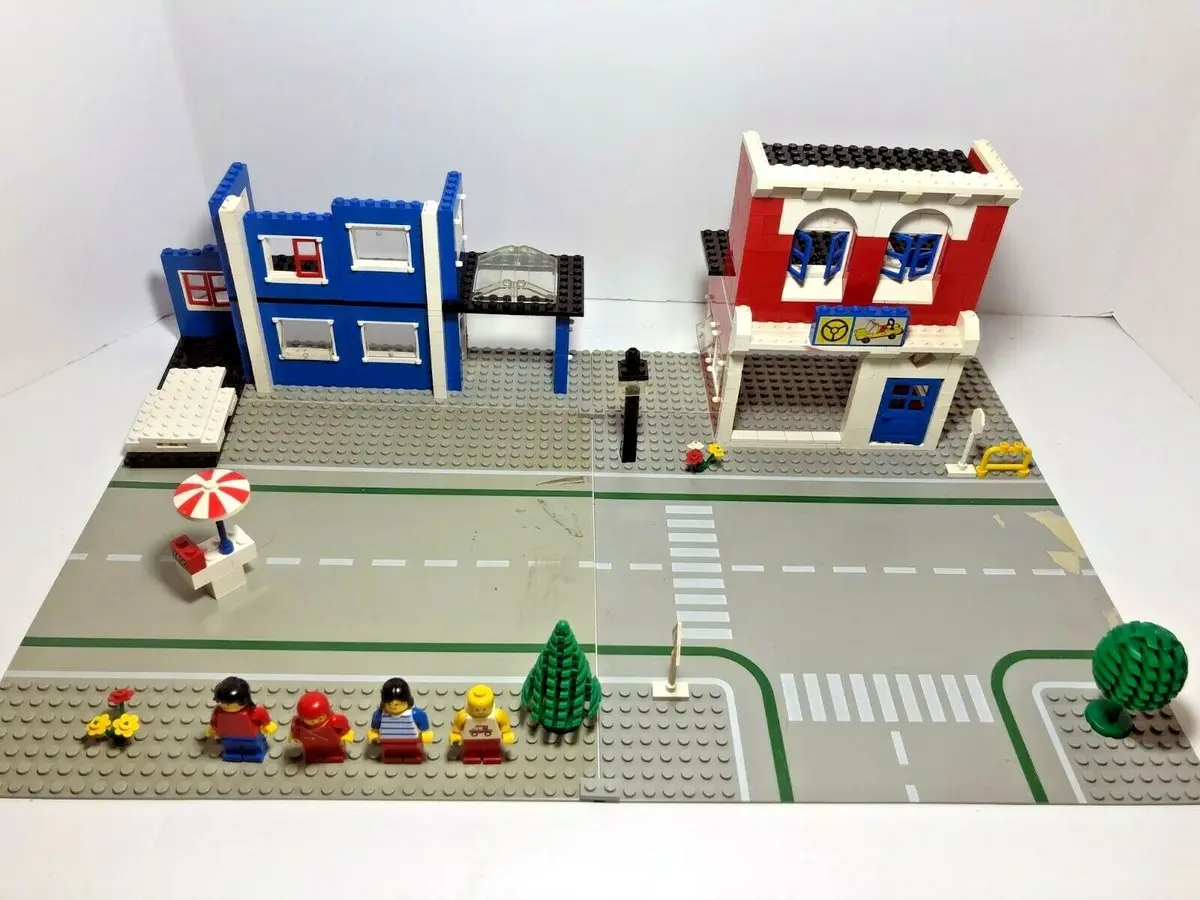
What collectors now call Classic Town laid the foundation for LEGO City’s DNA.
These sets were defined by:
- Bright primary colours
- Simple builds
- Open-back buildings
- Minimal parts, maximum imagination
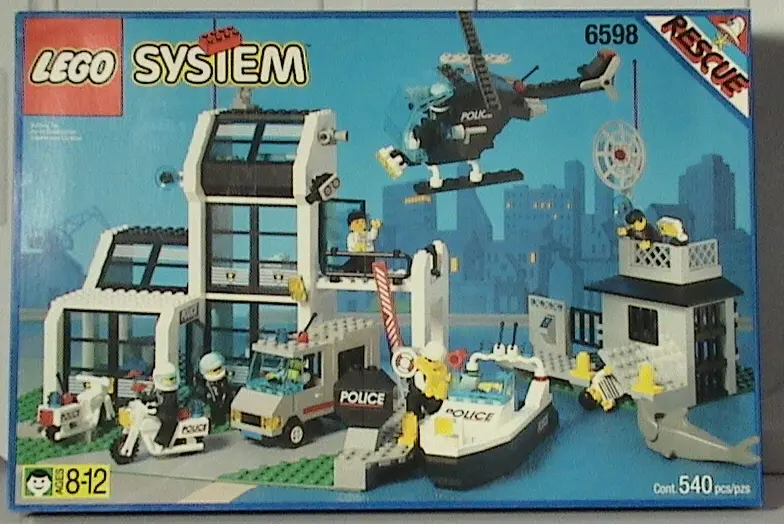
Police stations had:
- One jail cell
- A desk
- A radio
- A single police car
Fire stations had:
- A garage
- A pole
- A ladder truck
Airports were:
- One terminal
- One plane
- One fuel truck

And yet, they felt complete.
Classic Town thrived because it didn’t over-explain. It gave just enough structure for a child to invent the rest. A single minifigure could be a pilot one minute and a firefighter the next.
This era also introduced sub-themes that still echo today:
- Police
- Fire
- Airport
- Harbour
- Construction
- Trains
These were not just sets — they were play systems.
3. LEGO City Is Born (1999): A New Name for a Familiar World
In 1999, LEGO officially rebranded Town as LEGO City.
The timing was important:
- LEGO was entering the licensed era (Star Wars, later Harry Potter)
- Sets were becoming more detailed
- Storytelling was becoming more structured
LEGO City became the anchor, the “real world” that balanced fantasy themes.
Under the new branding, LEGO City introduced:
- More detailed buildings
- Named minifigure roles
- Stronger visual identity
- Larger playsets
Police and fire were no longer generic, they became narrative engines, with crooks, jailbreaks, pursuits, and recurring characters.
This was also the era when LEGO City began to scale upward:
- Bigger airports
- Multi-vehicle emergency stations
- Modular-style buildings (before Modulars existed)

4. The Golden Play Era (2005–2012): Expansion, Confidence, and Depth
The mid-2000s to early-2010s are often remembered as a golden age for LEGO City.
Why?
Because LEGO City finally had:
- Budget
- Confidence
- A mature parts library
- An entire generation of returning adult fans
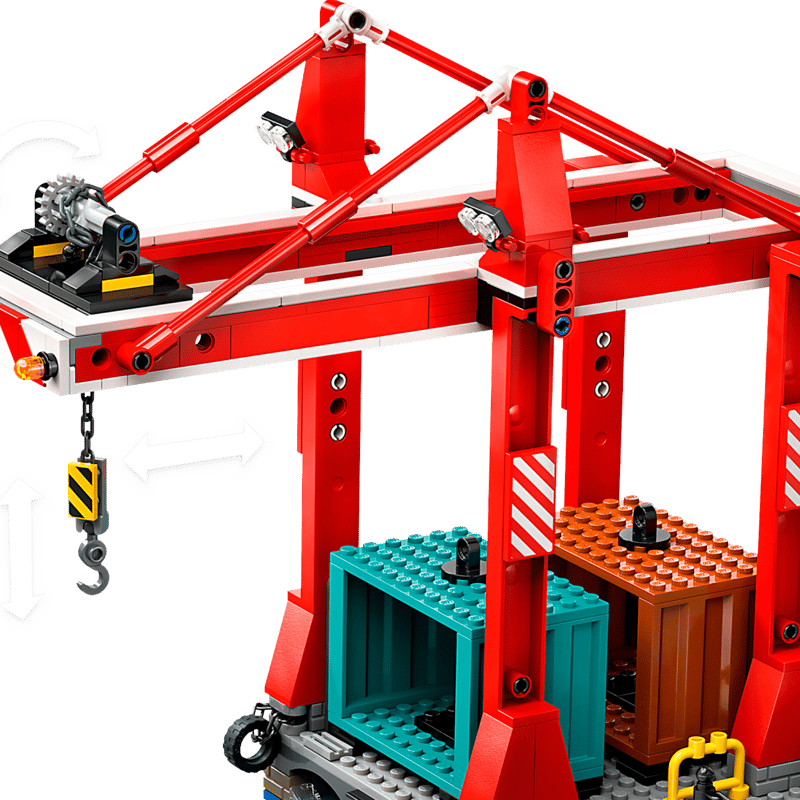
This era gave us:
- Massive airports with multiple planes
- Fully realised harbours with cranes and cargo ships
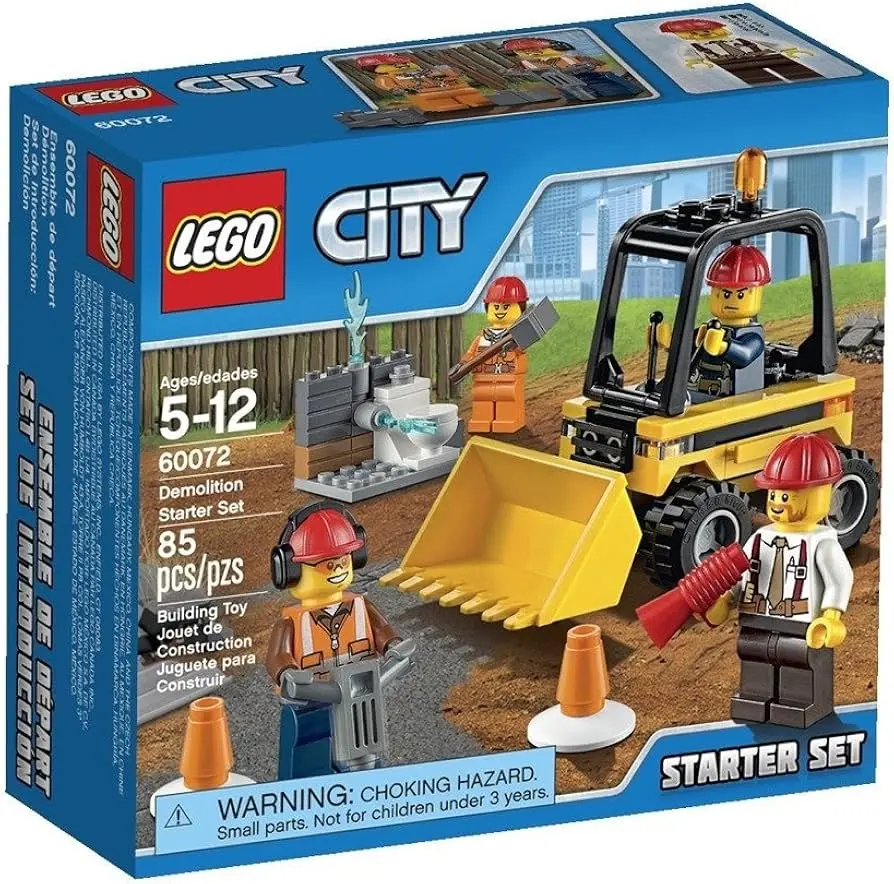
- Construction sites that felt alive
- Trains integrated into city layouts, not isolated loops
Crucially, LEGO City was no longer just about vehicles, it was about infrastructure.
Road plates, baseplates, and modular connectivity allowed builders to think like urban planners. Kids weren’t just playing scenes, they were designing systems.
This era also marks the point where many adult collectors today say: “This is where my LEGO City really started.”
5. Emergency Services as Storytelling Engines
Police, fire, coast guard, and rescue themes became the narrative heart of LEGO City.
Each sub-theme evolved into its own genre:
Police
- Escalated from simple arrests to multi-vehicle chases
- Introduced recurring villains
- Became action-oriented without losing accessibility
Fire
- Moved from buildings to disasters
- Forest fires, docks, industrial zones
- Water bombers and fire helicopters
Coast Guard
- One of LEGO City’s strongest sub-themes
- Boats, helicopters, lighthouses, oil rigs
- Seamlessly integrates with harbour layouts
These themes work because they:
- Encourage role-play
- Create conflict without violence
- Scale easily from small to massive builds
6. LEGO City and Space: The Optimistic Future

LEGO City Space deserves special recognition.
Unlike Classic Space or licensed sci-fi, LEGO City Space is about near-future optimism:
- Mars missions
- Research bases
- Space agencies
- Scientists, not soldiers
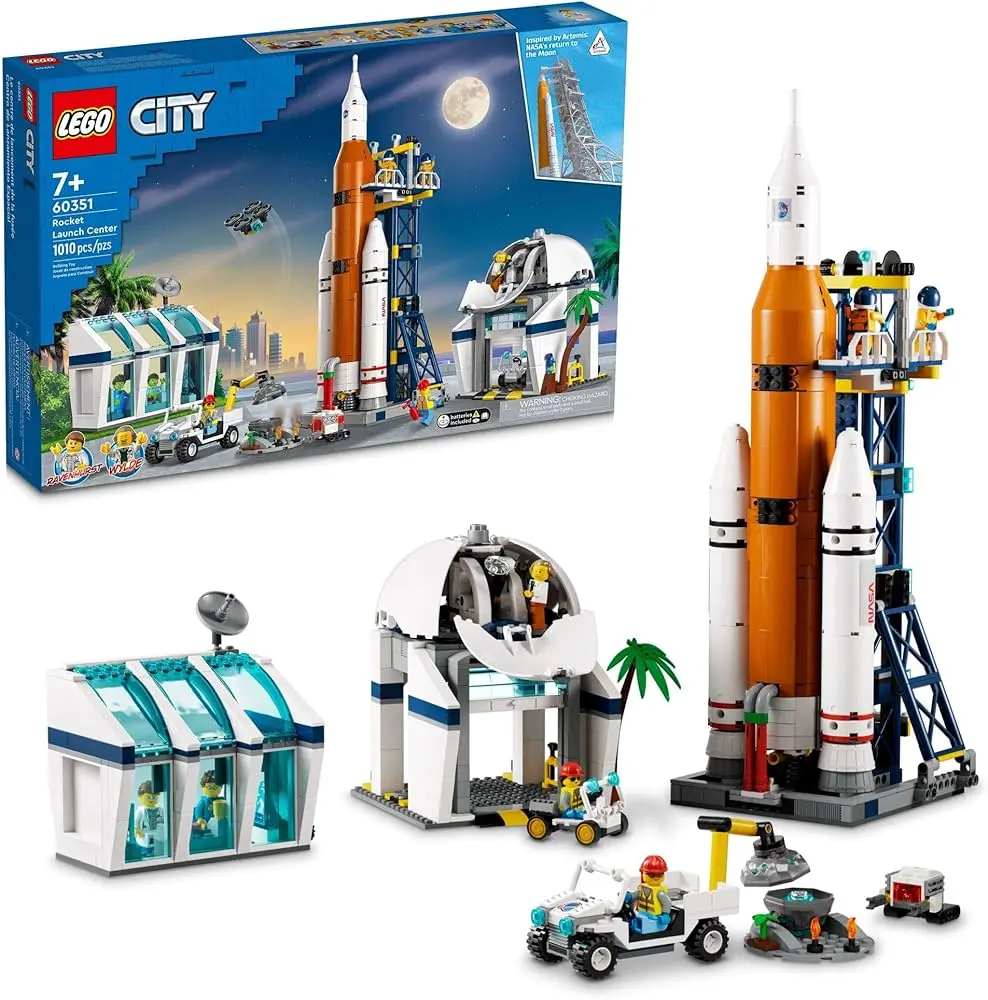
The 2019–2024 space waves in particular felt like:
- A return to educational LEGO
- A celebration of science and exploration
- A bridge between City and Icons-level display
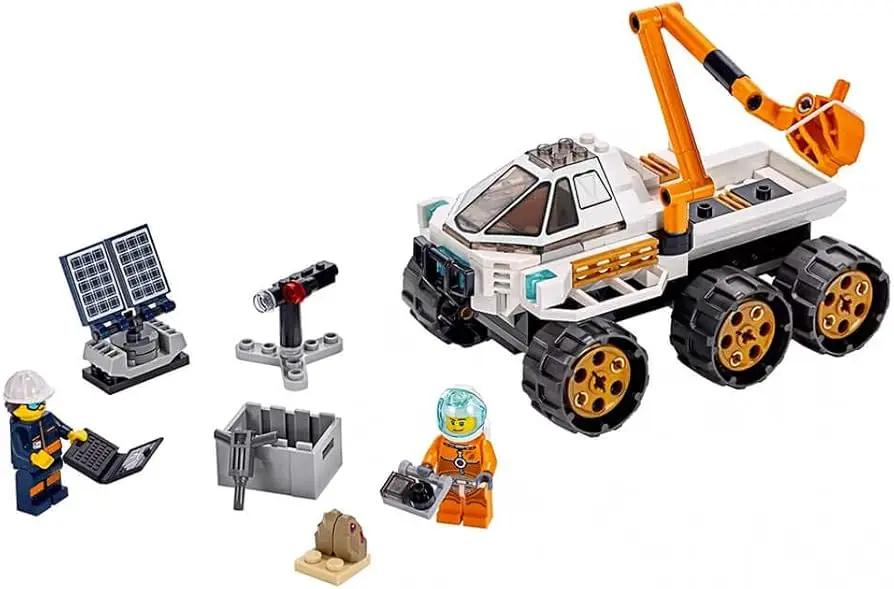
For museums and exhibitions, LEGO City Space works brilliantly because it connects:
- Real-world science
- Education
- Play
- Hope
7. Roads, Plates, and the Modular Mindset
One of the most underrated aspects of LEGO City is infrastructure evolution.
Road systems evolved from:
- Printed baseplates
- To modular road plates
- To MILS-compatible layouts used by adult builders today
This evolution mirrors how LEGO City quietly grew up with its audience.
Adult fans now:
- Reinforce City builds with MILS
- Integrate City with Modular Buildings
- Build massive urban layouts that still feel playable
LEGO City is no longer “just for kids” — it’s the foundation layer for advanced LEGO worlds.
8. Why LEGO City Endures
LEGO City has survived every LEGO era because it is:
- Flexible – adapts to culture and society
- Expandable – works at any scale
- Timeless – everyday life never goes out of date
- Inclusive – no lore barrier, no canon to learn
A child can enter LEGO City at age 4.
An adult can still be expanding the same city at age 40.
Very few toy systems can say that.
9. LEGO City in a Museum Context
For exhibitions like Redmond’s Forge, LEGO City is essential because it:
- Grounds the visitor
- Provides instant familiarity
- Acts as connective tissue between themes
A LEGO City display can:
- Anchor Star Wars, Space, Castle, and Modular sections
- Show evolution across decades
- Invite intergenerational conversation
Parents recognise it.
Kids understand it immediately.
Collectors appreciate its depth.
Conclusion: The City That Never Stops Growing
LEGO City is not nostalgic, it is alive.
It changes with society:
- New vehicles
- New professions
- New technologies
And yet, it always feels familiar.
In a LEGO world filled with epic battles and cinematic universes, LEGO City remains the quiet constant, the place where imagination begins, where stories are built one street at a time.
It is not the loudest theme.
It is not the rarest.
But it may be the most important LEGO theme of all time.